March 5, 2026
Choosing the right water heater for your home is a significant decision that affects your daily comfort, energy bills, and long-term maintenance costs. The debate between traditional tank water heaters and modern tankless systems has intensified as homeowners become more conscious of energy efficiency and operational costs. Each system offers distinct advantages and potential drawbacks that make them suitable for different households, budgets, and usage patterns. Understanding the fundamental differences between these two technologies helps you make an informed choice that aligns with your family's hot water needs and financial considerations. Whether you're replacing a failing unit or upgrading during a renovation, knowing what each system offers ensures you select the option that will serve your household best for years to come.
How Traditional Tank Water Heaters Work
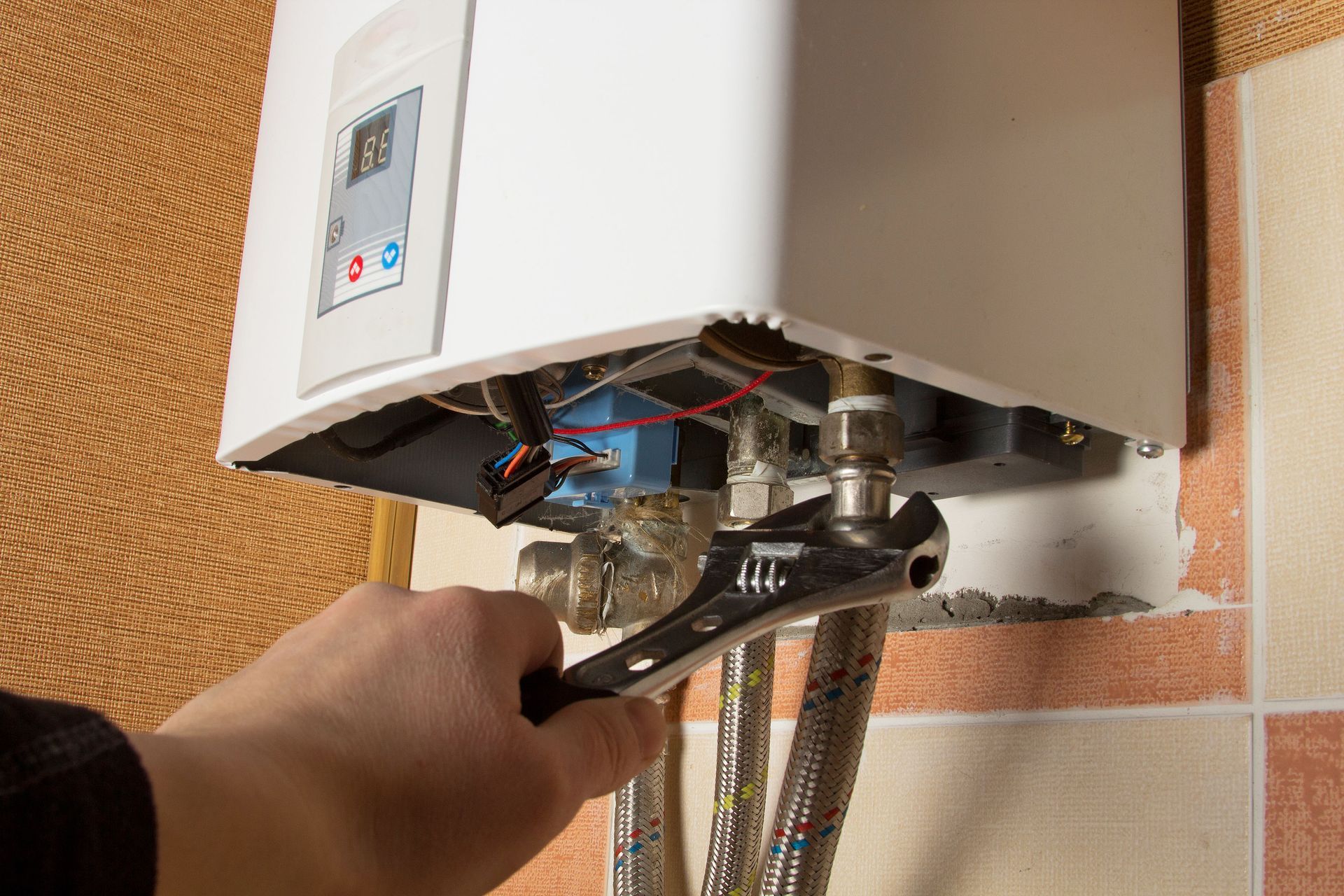
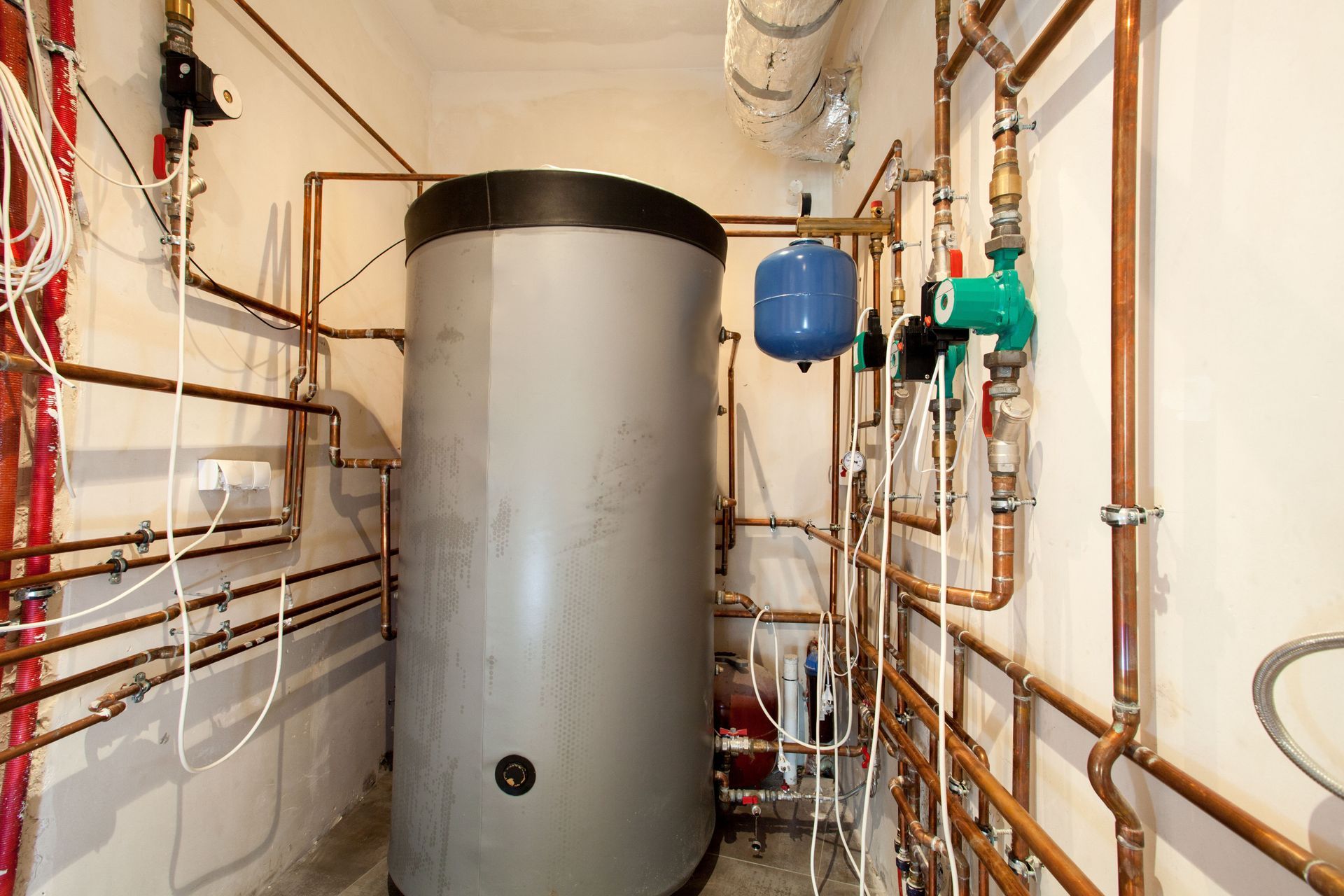
Traditional tank water heaters store a large volume of heated water, typically ranging from 30 to 80 gallons, keeping it hot and ready for use whenever you need it. The unit continuously heats water in the tank to maintain the set temperature, firing the burner or heating element whenever the water cools below the desired level. When you turn on a hot water tap, heated water flows from the top of the tank while cold water enters at the bottom to be heated. This simple, proven technology has served households reliably for decades and remains the most common water heating system in homes across the country, making water heater repair service for tank models widely available and generally straightforward.
Tankless water heaters, also called on-demand or instantaneous water heaters, heat water only when you need it rather than storing hot water for later use. When you open a hot water tap, cold water flows through the unit where powerful burners or electric heating elements rapidly heat it to the desired temperature. The system provides continuous hot water as long as you keep the tap running, eliminating the storage tank and the standby energy losses associated with keeping water hot around the clock. This fundamentally different approach to water heating offers significant energy savings and never runs out of hot water, though it requires careful sizing to ensure adequate flow rates for simultaneous uses in your home.
Initial Purchase and Installation Costs
Traditional tank water heaters typically cost significantly less to purchase and install than tankless systems, making them attractive for budget-conscious homeowners or rental properties. A standard tank unit might cost a few hundred dollars plus installation, while tankless systems can cost two to three times as much for the unit alone. Installation costs for tankless heaters are often higher because they may require electrical upgrades, gas line modifications, or new venting systems that traditional tanks don't need. However, when evaluating costs, you must consider long-term energy savings and equipment lifespan rather than focusing solely on upfront expenses, and professional water heater repair service can help you understand total lifetime costs for each option.
Tankless water heaters, also called on-demand or instantaneous water heaters, heat water only when you need it rather than storing hot water for later use. When you open a hot water tap, cold water flows through the unit where powerful burners or electric heating elements rapidly heat it to the desired temperature. The system provides continuous hot water as long as you keep the tap running, eliminating the storage tank and the standby energy losses associated with keeping water hot around the clock. This fundamentally different approach to water heating offers significant energy savings and never runs out of hot water, though it requires careful sizing to ensure adequate flow rates for simultaneous uses in your home, and professional water heater repair service technicians can help determine the right capacity for your household needs.
Hot Water Capacity and Recovery Time
Traditional tank water heaters provide a finite amount of hot water based on tank size, and once depleted, you must wait for recovery time while cold water is heated. Families with high hot water demands may experience running out during peak usage times when multiple showers, dishwashers, and laundry loads strain the available capacity. Tankless systems never run out because they heat water continuously on demand, though the unit's heating capacity limits their flow rate. Choosing between systems often depends on whether your household experiences occasional high-demand periods that temporarily deplete stored hot water or needs a consistent supply throughout the day, and consulting with water heater repair service professionals can help you assess your actual usage patterns and capacity requirements.
According to The Spruce, traditional tank water heaters have a lifespan of up to 12 years, while tankless models can last as long as 20 years. This significant difference in longevity means that tankless systems may need replacement less frequently, offsetting their higher initial cost over time. Tank water heaters eventually fail due to corrosion and sediment buildup that degrade the tank interior despite protective measures like anode rods and regular flushing. Tankless units avoid these tank-related failure modes and generally experience fewer catastrophic failures, though they still require maintenance and eventually need replacement of components like heat exchangers or electronic controls that wear out with use, making periodic inspection by qualified water heater repair service professionals essential for maximizing lifespan.
Space Requirements and Installation Flexibility
Tankless water heaters occupy far less space than traditional tank models, offering installation flexibility that appeals to homeowners with limited utility room space or those wanting to reclaim valuable square footage. A tankless unit might be no larger than a small suitcase and can be mounted on walls, while traditional tanks require floor space and clearance around the entire unit. This compact size allows installation in closets, under sinks, or other tight spaces where tank models simply won't fit. The space savings can be particularly valuable in smaller homes, condominiums, or when converting basements and utility areas to living space, though you'll need access to water heater repair service technicians familiar with your specific installation configuration for future maintenance and repairs.
Tankless water heaters generally have a smaller environmental footprint due to lower energy consumption, reduced greenhouse gas emissions, and longer lifespans that mean less frequent manufacturing and disposal. The energy savings from eliminating standby losses translate directly to reduced fossil fuel consumption or lower electricity demand, depending on your energy source. Tank water heaters consume more energy over their lifetime and require replacement more frequently, contributing more waste to landfills and demanding more manufacturing resources. For environmentally conscious homeowners prioritizing sustainability, tankless systems align better with green building principles and may qualify for energy efficiency rebates or tax incentives that further offset their higher initial costs, though you should verify current programs with qualified water heater repair service providers familiar with local incentives.
Maintenance Requirements and Costs
Both water heater types require regular maintenance to operate efficiently and achieve their expected lifespan, though maintenance procedures differ significantly between the systems. Traditional tank heaters need periodic flushing to remove sediment, anode rod inspection and replacement, and occasional valve checks to prevent leaks and corrosion. Tankless systems require annual descaling in areas with hard water, filter cleaning, and inspection of burners or heating elements to maintain performance. While neither system is maintenance-free, tankless units may require more specialized water heater repair service due to their complex electronics and precision components, potentially resulting in higher service costs when problems occur despite their generally longer lifespan and better reliability.
The choice between traditional tank and tankless water heaters depends on numerous factors, including your budget, household size, usage patterns, space constraints, and long-term planning for your home. Neither option is universally superior; each serves different needs and priorities that vary from one household to another. Careful consideration of upfront costs, operating expenses, maintenance requirements, and expected lifespan helps you identify which system provides the best overall value for your specific situation. Whether you need Construction Plumbing, Residential Plumbing and HVAC, or Commercial Plumbing and HVAC services, Maguire Company Inc. offers expert guidance to help you select the ideal water heating solution with Free Estimates Within the Next Business Day, Responding to Emergencies Within a Day, and Military, Veteran, and Senior Discounts available. For more information, contact us today!